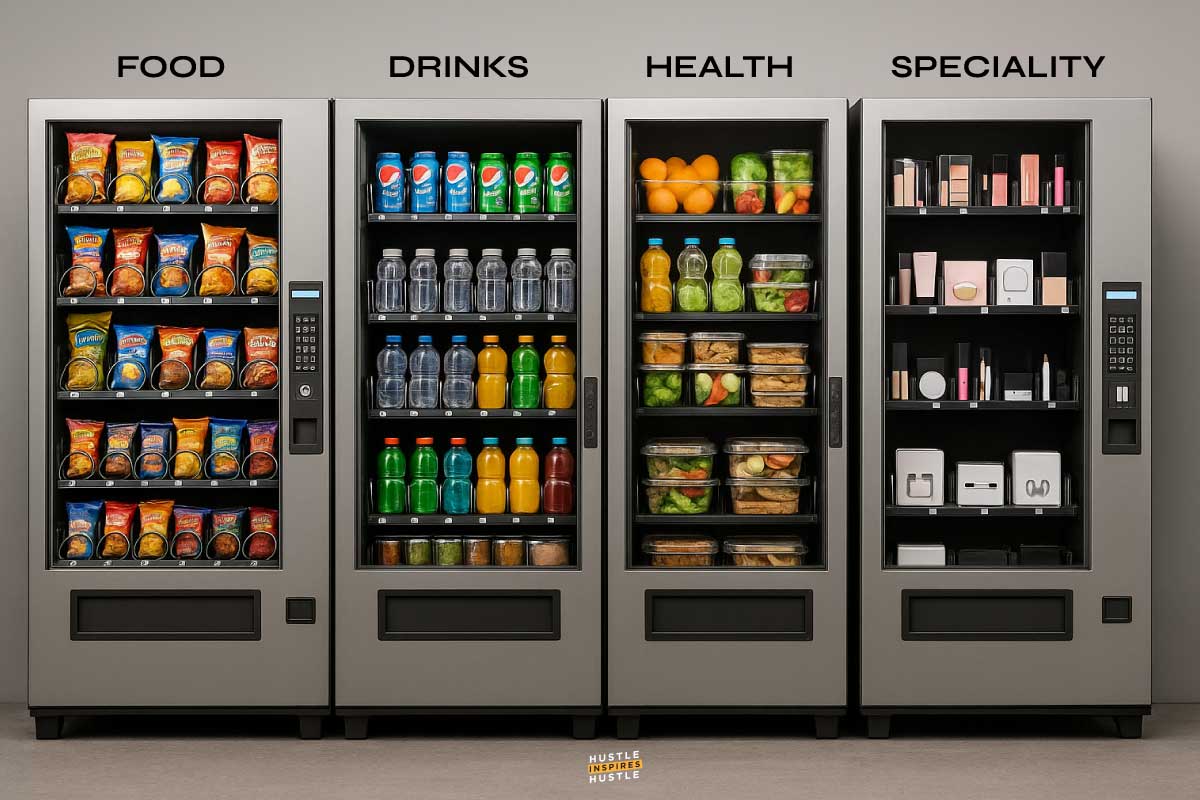
Entering the vending machine business can be an accessible and scalable way to participate in automated retail, especially with today’s technology-driven vending solutions. For beginners, understanding the right steps early on can help avoid common pitfalls and set the foundation for long-term success.
The first step for any new vending machine seller is choosing the right type of machine and product category. Modern vending machines support a wide range of offerings, from snacks and beverages to fresh food and specialty items. Selecting a machine that aligns with your target location, audience, and operational capacity is critical. Beginners often benefit from starting with a focused product mix and expanding over time as demand becomes clearer.
Location selection is another key factor. High foot traffic, predictable usage patterns, and clear placement rules significantly impact performance. Offices, residential buildings, healthcare facilities, and transit-adjacent spaces are common starting points. Before installation, it’s important to understand power requirements, network access, and any building-specific guidelines that may affect deployment.
Once the machine is in place, connectivity and payment setup become essential. Cashless payment systems, telemetry, and remote monitoring are now standard expectations rather than advanced features. These tools allow beginners to track sales, monitor inventory, and identify issues without constant on-site visits. Reliable connectivity turns vending from a manual operation into a manageable, data-driven business.
Inventory management is where many new sellers learn the value of real-time data. Stocking based on actual sales trends reduces waste and improves customer satisfaction. Telemetry insights help determine optimal restocking intervals, identify slow-moving products, and adjust assortments as preferences evolve. Starting with a conservative inventory strategy and refining it over time is often more effective than overloading the machine.
Finally, ongoing maintenance and customer support should not be overlooked. Regular performance checks, prompt issue resolution, and clear refund processes build trust with both location partners and end users. As experience grows, beginners can scale by adding machines, expanding product categories, and optimizing routes based on proven performance.
By following these steps, a beginner vending machine seller can move from initial setup to sustainable operation with greater confidence. Modern vending technology has lowered the barrier to entry, making it easier than ever to start small, learn quickly, and grow strategically.