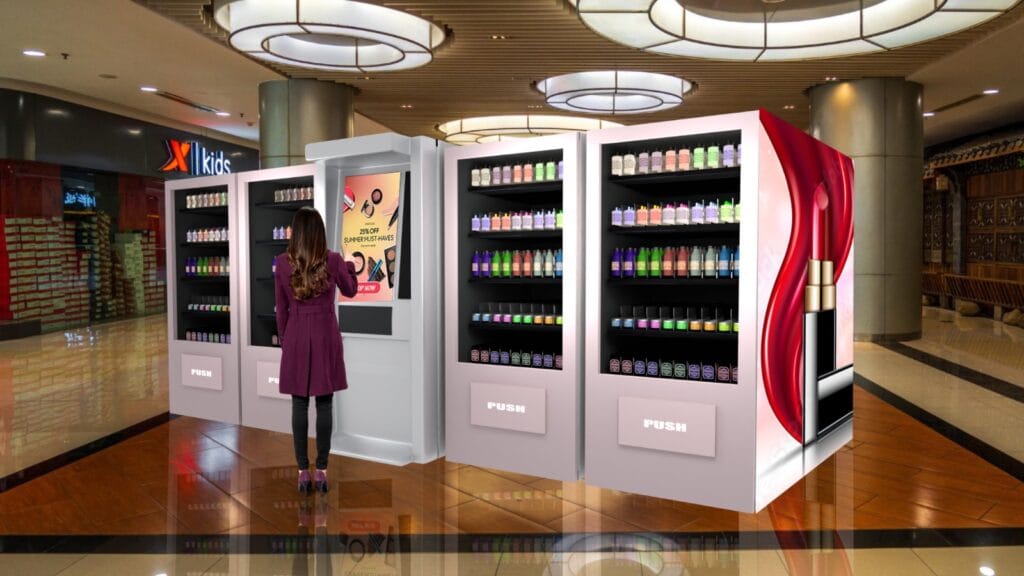
The global vending industry is undergoing a quiet but powerful transformation. What was once defined by mechanical reliability and limited choice has evolved into a technology-driven ecosystem focused on user experience, data intelligence, and operational efficiency. Across Asia, Europe, and North America, the newest generation of vending machines reflects a shift toward smarter, more adaptive retail solutions.
Modern vending machines now integrate multimedia interfaces, real-time connectivity, and cashless payment systems as standard features. Touchscreens, dynamic product displays, and interactive menus are becoming the norm, allowing operators to update pricing, promotions, and product availability remotely. This shift enables a more flexible approach to vending, where machines adapt to location, time of day, and consumer behavior without manual intervention.
In regions such as Japan and South Korea, vending machines are pushing the boundaries of automation and personalization. Facial recognition, temperature-based product recommendations, and AI-assisted inventory planning are increasingly common. These technologies help maximize sell-through rates while minimizing waste, particularly in fresh and refrigerated categories. The result is a vending experience that feels responsive, intentional, and aligned with modern retail expectations.
European markets are placing a strong emphasis on sustainability and design. New vending machines are being built with energy-efficient cooling systems, LED lighting, and modular components that extend machine lifespan. Materials and form factors are carefully considered to blend seamlessly into offices, transit hubs, and hospitality environments. Rather than standing out as utility equipment, these machines are designed to integrate into the space as a functional yet refined element.
In North America, the focus has shifted toward data-driven operations and remote management. Telemetry systems now provide live insights into uptime, sales velocity, temperature control, and payment performance. Operators can respond proactively to issues, adjust restocking schedules based on real demand, and reduce service calls. This operational visibility is reshaping vending from a reactive model into a predictive one.
Another notable trend is the expansion of product categories supported by modern vending machines. Beyond snacks and beverages, newer models support fresh meals, frozen items, electronics, personal care products, and specialty goods. Improved drop sensors, locker-based systems, and precise temperature control allow for greater product diversity without compromising reliability or food safety standards.
As vending technology continues to evolve, the line between traditional retail and automated commerce becomes increasingly blurred. The newest vending machines around the world are not simply dispensing products; they are delivering curated, data-informed retail experiences at scale. For operators and locations alike, this evolution represents an opportunity to rethink what vending can be—and what it can achieve in a connected, on-demand world.